
There is nothing quite as frustrating as spending time painting your nails a beautiful, crisp white or soft nude, only to have the color look dull, dingy, and distinctly yellow underneath. Yellow nails can make your hands look unkempt, unhealthy, and older than they actually are, no matter how nice your polish looks on top.
If you have noticed your fingernails or toenails taking on a yellowish hue, you are definitely not alone. It is one of the most common nail complaints dermatologists see. However, before you can fix the problem, you have to understand what is causing it. Stains from dark polish are treated very differently than yellowing caused by a fungal infection.
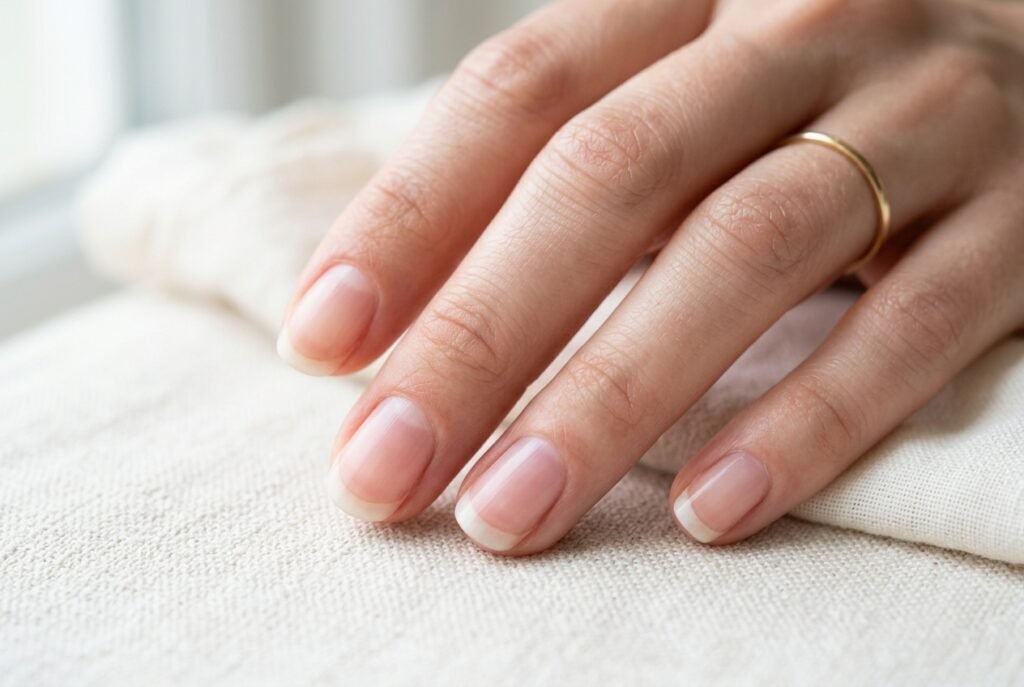
If you are looking for safe, effective, and proven ways on how to get rid of yellow nails, you are in the right place. We are going to break down the exact causes of nail discoloration and give you the best at-home remedies and professional treatments to restore your nails to a healthy, natural pinkish-white color.
The Anatomy of a Yellow Nail: What Happens Beneath the Surface?

Your nails are made of a porous protein called keratin. Just like the pores on your face, your nail plate has microscopic pores. When exposed to certain pigments, chemicals, or biological elements, those pores absorb the color, causing the nail to look stained or yellow.
Additionally, the nail bed (the skin underneath the nail) contains tiny blood vessels. If the nail becomes thickened or detached from the nail bed, it can distort the light reflecting off those blood vessels, which can also create a yellowish appearance.
Understanding whether the stain is on the surface of the nail or coming from within the nail is the key to choosing the right treatment.
The Top 4 Causes of Yellow Nails
Before you start scrubbing your nails, you need to figure out what caused the discoloration in the first place. Here are the most common culprits:
1. Dark Nail Polish (The Most Common Cause)

If you love wearing dark, rich colors like deep reds, burgundies, navy blues, dark purples, or black, this is likely the culprit. The dyes in heavily pigmented nail polish can easily leach through the microscopic pores of your keratin and stain the nail plate. This is especially true if you leave dark polish on for weeks at a time without a proper base coat.
2. Nicotine from Smoking

If you are a smoker, the nicotine and tar in cigarettes do not just stain your teeth and fingers—they severely stain your nails. The chemicals in smoke settle on the nail surface and are absorbed into the keratin, causing a deep, stubborn yellow-brown discoloration that regular hand washing will not remove. The nails may also become slightly brittle over time due to restricted blood flow.
3. Fungal Infection (Onychomycosis)

This is a cause you cannot ignore. Unlike surface stains, a fungal infection happens inside the nail. If your yellow nails are accompanied by thickening, a crumbling texture, a foul odor, or debris building up under the nail, you are likely dealing with a fungus. Fungus thrives in warm, moist environments (like sweaty shoes or damp gloves). Home remedies will not cure a fungal infection; you need specific antifungal medication.
4. Underlying Health Conditions
In rare cases, yellow nails can be a symptom of an internal health issue. “Yellow Nail Syndrome” is a rare condition often associated with lymphedema (swelling) and respiratory diseases. Additionally, conditions like diabetes, thyroid disorders, or severe vitamin deficiencies can cause nails to thicken, grow slowly, and turn yellowish. If the yellowing is sudden and accompanied by other symptoms, see a doctor.
How to Get Rid of Yellow Nails Caused by Stains
If your yellow nails are strictly caused by dark polish or smoking (meaning the nail is smooth, normal thickness, and doesn’t smell), you can safely treat them at home using these highly effective methods.
Remedy 1: The Baking Soda & Hydrogen Peroxide Paste

This is the most powerful at-home bleaching method for nail stains. Baking soda is a gentle abrasive that removes surface buildup, while hydrogen peroxide acts as a mild bleach to lift the yellow dye from the keratin pores.
How to use it:
- In a small bowl, mix 1 tablespoon of baking soda with 1 tablespoon of 3% hydrogen peroxide.
- Stir until it forms a thick paste. (If it’s too runny, add a little more baking soda).
- Using a cotton swab or an old toothbrush, apply the paste generously to the top of your yellow nails.
- Let it sit for 3 to 5 minutes. You may feel a slight fizzing sensation—this is normal.
- Gently scrub the nails with a soft-bristled toothbrush in small, circular motions for one minute.
- Rinse your hands thoroughly with warm water and apply cuticle oil.
Frequency: Repeat this 2 to 3 times a week until the yellow stain is completely gone.
Remedy 2: Fresh Lemon Juice Soak

Lemon juice contains high levels of citric acid, which is a natural bleaching agent and exfoliator. It is much gentler than hydrogen peroxide and smells amazing.
How to use it:
- Squeeze the juice of one large, fresh lemon into a small bowl.
- Add an equal amount of warm water to dilute the acid slightly so it doesn’t dry out your skin.
- Soak your yellow nails in the mixture for 10 to 15 minutes.
- Using the leftover lemon rind, rub it directly onto your nails for an extra boost of citric acid.
- Rinse with warm water and moisturize.
Frequency: You can do this safely every single day.
Remedy 3: Whitening Toothpaste Trick

Toothpaste is formulated to remove stains from enamel, and it works surprisingly well on nail keratin for the exact same reason. Look for a paste (not a gel) that contains baking soda or hydrogen peroxide in the ingredients.
How to use it:
- Apply a small dab of whitening toothpaste directly to an old, soft toothbrush.
- Wet your nails slightly.
- Scrub each nail gently for about one to two minutes.
- Let the toothpaste sit on the nails for an additional 5 minutes.
- Wash it off with warm water.
Frequency: 2 to 3 times a week. This is a great quick-fix method if you are in a rush.
Remedy 4: Denture Cleaning Tablets

This is a secret weapon used by many nail technicians. Denture cleaning tablets (like Polident) contain ingredients like sodium bicarbonate and citric acid designed to lift tough stains from acrylic teeth. They work wonders on stained nail plates.
How to use it:
- Drop one or two denture cleaning tablets into a bowl of warm water.
- Allow the tablets to fully dissolve and fizz.
- Soak your nails in the solution for 10 to 15 minutes.
- Gently scrub with a nail brush, rinse, and moisturize.
The Mechanical Fix: Using a Nail Buffer

If the stain is sitting right on the very top layer of the nail and won’t budge with soaks, you can physically remove it.
A nail buffer block has different sides with varying grits.
- Use the roughest side to gently buff away the very top, discolored layer of the nail.
- Follow up with the smoother sides to polish the nail back to a shine.
Crucial Warning: Only buff the top surface of the nail. Do not file aggressively, and do not buff the nail so thin that it becomes weak and bendable. If the stain goes deep into the nail plate, buffing won’t fix it, and you will just damage your nail.
What To Do If Your Yellow Nails Are Caused by Fungus

As mentioned earlier, how to get rid of yellow nails changes entirely if a fungus is the cause. You cannot scrub away a fungal infection. If your nails are thick, yellow, crumbly, or lifting from the nail bed, you must take a different approach.
1. Over-The-Counter (OTC) Treatments: Visit your local pharmacy and look for topical antifungal liquids or creams specifically formulated for nails (such as those containing Tolnaftate or Undecylenic acid). You must apply these religiously every single day for several months, as it takes a long time for a healthy nail to grow out and push the infected part off.
2. Prescription Medications: If the OTC treatments fail or the infection is severe, a dermatologist can prescribe oral antifungal pills. These are highly effective but require a blood test to monitor liver function during the course of treatment.
3. Keep Feet Dry: If the fungus is on your toenails, switch to moisture-wicking socks, change them daily, and spray your shoes with an antifungal spray. Fungus loves dark, damp environments.
How to Prevent Yellow Nails in the Future

Once you have restored your nails to their natural, healthy color, you want to keep them that way. Prevention is much easier than treatment.
Always Use a High-Quality Base Coat
This is the golden rule of nail polish. A clear base coat acts as a physical barrier between the pigments in your colored polish and the porous keratin of your nail. Never skip base coat when wearing dark colors. Note: Clear nail polish is NOT the same as a base coat. Base coats have specific adhesion properties that clear polish lacks.
Take Polish Breaks
Don’t keep dark polish on your nails for three or four weeks straight. Remove your polish every 1 to 2 weeks, give your nails a day to “breathe,” and reapply. This prevents the dye from having enough time to seep into the pores.
Quit Smoking
If smoking is the cause of your yellow nails, the only true way to stop the discoloration is to stop smoking. Cutting back will slow down the yellowing, but as long as you are exposing your hands to nicotine and tar, the stains will return.
Wear Gloves When Using Chemicals
Cleaning supplies, bleach, and even some strong soaps can cause nail discoloration and dryness. Protect your hands by wearing rubber gloves.
Frequently Asked Questions (FAQs)
Does vinegar get rid of yellow nails? Vinegar (specifically apple cider vinegar) has mild antifungal properties and can help balance the pH of the nail bed, but it is not a strong enough acid to bleach out dark polish stains. It is better used as a preventative soak for mild fungal issues rather than a stain remover.
Can I just paint over my yellow nails with white polish? You can, but it usually looks terrible. The yellow stain will almost always “bleed” through sheer or white polishes, leaving your white manicure looking dirty and splotched. It is always better to remove the stain first before applying a light color.
How long does it take for a stained nail to grow out? Fingernails grow about 3.5 millimeters per month. If the stain is deep in the nail plate, it will take roughly 4 to 6 months for that stained portion to grow completely past the free edge and be clipped off. Using the baking soda paste can speed up the lightening process, but you still have to wait for the nail to physically grow out to be 100% clear.
Are yellow nails a sign of vitamin deficiency? While not the most common cause, a severe deficiency in certain vitamins—particularly Vitamin B12, Iron, and Zinc—can cause nail discoloration, including a yellowish or brownish tint. If your diet is poor and your nails are suddenly yellowing, consider a blood test to check your levels.
Conclusion
Yellow nails can be embarrassing, but they are rarely a permanent problem. By identifying whether the discoloration is a simple surface stain from your favorite dark red polish or a deeper issue like a fungal infection, you can choose the right treatment path.
For surface stains, consistent use of natural bleaching remedies like baking soda, hydrogen peroxide, or lemon juice will have your nails looking pink and healthy again in no time. For fungal infections, patience and dedicated antifungal treatments are required. Protect your nails with a base coat, take regular polish breaks, and you will never have to worry about yellow nails ruining your manicure again!